Empowering Cancer Patients: Insights, Support, and Survival Strategies
Navigating the tumultuous waters of a cancer diagnosis can often feel like trying to steer a ship in a storm. It is a moment that can overwhelm even the strongest individuals; after all, 'Cancer is not just a word—it’s a journey that challenges the mind, body, and soul.' For many patients, understanding this journey begins with seeking essential insights and treatment options from trusted sources, including medical practitioners and support groups. This is not only about battling symptoms of cancer but also about navigating through the emotional and psychological waves that accompany it.
The landscape of oncology insights is vast and ever-changing. With rapid advancements in medical research, patients today are presented with numerous treatment options, ranging from traditional cancer therapies to innovative approaches. It can be dizzying when you first sit in consultation rooms discussing chemotherapy, radiation, or immunotherapy—often feeling like you are choosing between a number of paths, each with its own set of challenges. Here’s a question that often arises: how do we know which treatment is right for us? The answer lies in a robust and well-informed decision-making process that draws from credible cancer information and personal health experiences.
One of the most empowering actions cancer patients can take is educating themselves about their disease. Cancer education is a vital tool in this process. Engaging with health resources, such as reputable cancer research journals or online medical databases, can illuminate the various symptoms of cancer, possible treatment side effects, and emerging therapies. But remember, knowledge is not just power—it is also comfort. Becoming informed allows patients to advocate for themselves effectively and to participate actively in their treatment options, resulting in a greater sense of control over their journey.
Lifestyle modification plays a pivotal role in the overall wellness of cancer patients. Nutrition for cancer patients, whether during treatment or survivorship, can significantly impact their quality of life. Imagine if you could enhance your energy levels, manage treatment side effects more effectively, and support your immune system—all by adjusting your diet! Integrating healthier foods and staying active can greatly improve one's ability to navigate through treatments. It's not just about eating healthy; it's about nurturing the body and soul during a formidable challenge.
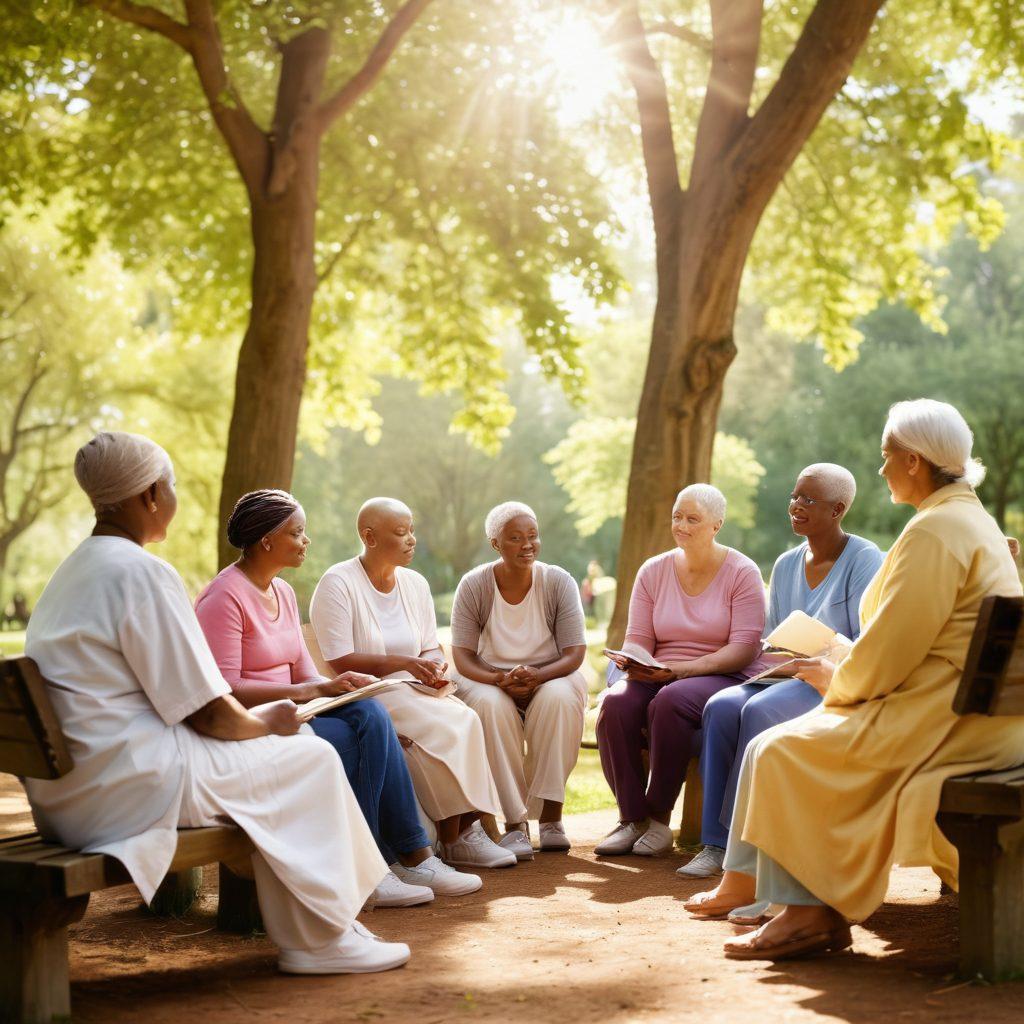
Finally, connecting with other patients through support groups can make a world of difference. Sharing cancer experiences with others who understand your struggles fosters an environment of empathy and understanding. Support groups not only offer emotional solace, but they can also provide valuable healthcare guidance based on collective wisdom. Every story shared can enlighten another path or reinforce a strategy for survivorship. Remember, 'You are not alone in this fight; together, we can forge a brighter, healthier future.'
From Research to Recovery: A Comprehensive Guide to Cancer Support and Wellness
Cancer, a word that can instill fear in hearts and minds, often feels insurmountable. Yet, power lies not in hopelessness but in knowledge and community. Imagine a space where oncology insights are shared openly, creating a foundation for healing, resilience, and hope. As cancer patients traverse their individual journeys, understanding their treatment options—from surgeries to experimental cancer therapies—adds a layer of control to their experience. But how do we take the overwhelming information and distill it into actionable steps for wellness?
The journey from diagnosis to recovery can often feel like navigating a labyrinth. It may seem daunting at first, littered with uncertainty and fear. But it doesn't have to be a lonely path. By tapping into cancer education resources, patients can harness crucial cancer information that empowers them to make informed decisions. Think of a medical practitioner as a trusted guide—someone who illuminates the way through the darkness of symptoms of cancer and possible treatments available. Remember, knowledge isn’t just power; it’s also a vital tool in disease prevention.
Imagining life after cancer might feel elusive, but survivorship can be an inspiring new chapter that emphasizes resilience and strength. Many survivors often recount their experiences through personal health blogs, inspiring others who may find themselves in the thick of the battle. “I would not wish this journey on anyone, but I wouldn’t trade my experiences for the world,” shares one survivor, epitomizing the transformative potential of such trials. Engaging with support groups provides a comforting embrace of shared experiences, turning isolation into understanding. How might your story inspire others to find their voices in the struggle?
Lifestyle modification emerges as a powerful ally in managing health post-cancer. Incorporating nutrition for cancer patients not only feeds the body but also nourishes the spirit. The right mix of foods can enhance treatment responses and bolster recovery. Engaging in conversations about healthcare guidance can steer patients towards practices that benefit their well-being holistically. After all, every meal crafted with intention is another step toward recovery—could your next meal be a beacon of hope?
In the vast realm of medical research, advancements in cancer therapies show promise like never before. Whether it's cutting-edge treatments or unique tumor support solutions, hope springs from innovation. Staying informed about these developments can reassure patients of progress and possibility. So, let us advocate for ourselves and for each other—sharing about our cancer experiences and the triumphs achieved. After all, the path to recovery is not just about the destination; it's about the journey we take together. How will you choose to navigate this path?
Empowering Patients: The Role of Advocacy, Education, and Lifestyle in Surviving Cancer
Navigating the tumultuous waters of a cancer diagnosis can feel like sailing into a storm without a compass. Yet, within the chaos lies a profound opportunity for empowerment. How can patients transform a daunting journey into one of resilience and strength? The answer lies in advocacy, education, and lifestyle modifications—a trio that can reshape not just the experience of surviving cancer, but thriving through it. Just as the wise Maya Angelou once said, 'I've learned that people will forget what you said, people will forget what you did, but people will never forget how you made them feel.' This sentiment rings especially true for those on the cancer journey, where emotional support and empowerment can define one's experience.
Education serves as both a shield and a sword in the battle against cancer. The more informed you are about cancer information, treatment options, and symptoms of cancer, the better equipped you become to advocate for your health. Engaging with healthcare guidance provided by medical practitioners not only demystifies the complexities of cancer therapies but opens pathways to informed decision-making. Have you ever wondered how understanding your cancer experience can alter your treatment trajectory? Knowledge is power, and in the world of oncology insights, that power translates into better outcomes and a greater sense of control over your health journey.
Patient advocacy is a vital lifeline in the often-overwhelming healthcare system. Imagine being a navigator who guides your ship through turbulent seas—this is the role of an empowered cancer patient. By connecting with support groups and participating in cancer education sessions, patients can share experiences, learn from each other, and discover health resources that resonate with their unique situation. What if advocating for your needs could not only change your treatment approaches but also inspire others? Your voice can catalyze change, not just for yourself but for the community of survivors and those still fighting their battles.
But advocacy doesn't stop with knowledge; it extends beyond clinical walls and into the fabric of daily life. Lifestyle modification plays a crucial role in wellness and survivorship. Nutrition for cancer patients and the integration of healthy habits can keep energy levels high and spirits higher. Have you thought about the significance of small changes, like adjusting your diet or incorporating regular exercise into your day? Research shows that these modifications not only support overall health but can also enhance the effectiveness of treatment options. Your day-to-day choices can be game-changers in your cancer experiences and impact the trajectory of your survivorship journey.
Finally, recognizing that cancer is not merely a disease, but a longstanding battle that affects your entire being is essential. Engaging with medical research and staying current on advancements in cancer therapies can arm you with hope and determination. Every story of survival is woven with threads of struggle and resilience, teaching us that the journey is as important as the destination. As you embark on your cancer journey or support someone you love, remember that standing strong in the face of adversity—armed with education, advocacy, and lifestyle wisdom—can illuminate the path to survival and empower others along the way. Your journey, full of shared experiences and lessons, can inspire and uplift fellow warriors fighting their own battles against cancer.